What it is
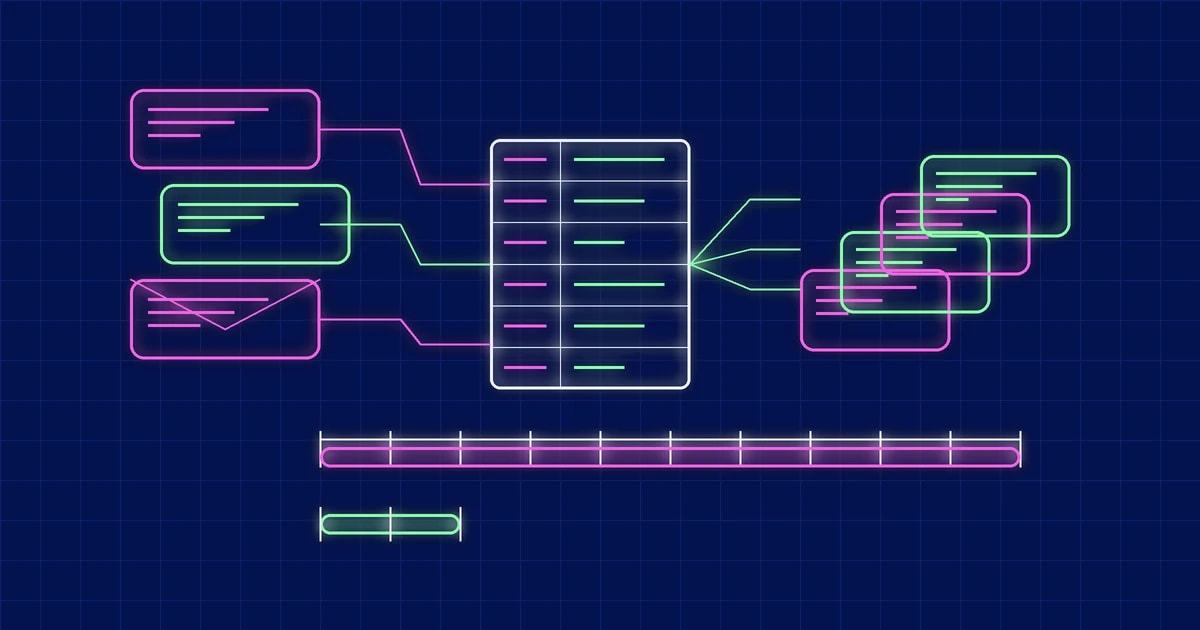
feature-estimate estimates the effort to build what a customer asked for. The input is customer material: emails and threads, meeting notes and transcripts, bug reports, enhancement tickets and user stories. The skill saves each input, extracts a requirements register, looks at the repository for the modules, integrations, APIs and data the changes touch, and writes PRDs, stories and sprints. The output shows a human-team timeline and a Krithi timeline side by side. The skill only reads the application. It never builds, runs, tests, commits or pushes it.
It is migration-estimate with a different input. The process, templates and numbers are the same. The one thing added is traceability back to what the customer actually wrote.
One set of rules
- The skill holds no estimation logic of its own. Its
estimate.py and inventory.py run migration-estimate's scripts unchanged. Only the output folder and the summary title differ ("Feature estimate" instead of "Migration estimate").
- Stories are grouped five to a sprint, counted per detailed PRD and rounded up. A sprint is two engineers in both timelines.
- A human team takes 10 working days per sprint. With Krithi it takes 2.
- Example: 12 sprints is 24 weeks for a human team and 5 weeks with Krithi.
- The estimate covers development and testing only. QA sign-off, production deployment and data migration are listed separately, with an approximate 20% go-live allowance marked as outside the core estimate.
What it does
- Saves every input verbatim under
inputs/, so any quote in the register can be checked against the source.
- Writes
00-requirements.md: inputs as IN-NN, requirements as REQ-NN, each one a single testable need typed Feature, Enhancement, Bug or Story, with a short quote and a status of Clear, Assumption, Question, Out of scope or Deferred.
- Splits a message that asks for three things into three requirements, merges repeats, and records conflicts. It never drops a request silently.
- Runs
inventory.py, then reads only the code the requests touch, plus its callers, data, integrations and tests, rather than the whole application.
- Writes
00-high-level-prd.md and one prd-NN-<slug>.md per feature area. Each story cites a REQ-NN and the code it changes, for example REQ-02 with the invoice module.
- Builds the change in the application's existing architecture. Where that differs from Krithi's standard stack, it records an architecture deviation with the reason, since re-platforming is not part of the request.
- Adds foundation stories only when the change needs something the application lacks. If nothing is needed, the estimate script's no-foundation warning is expected and is explained in the review.
- Lists every untouched module as out of scope with the reason "not affected by the requested changes", so the coverage check passes honestly.
- Runs
estimate.py, then requirements.py, and repeats until both report "ok": true.
- Never writes a number itself. Sprint counts, weeks and totals come from what the script printed.
- Finishes with a separate self-review. It re-reads each input against the register for missed or wrongly merged requests, then re-reads the PRDs against the code. Above a 30% gap it reworks the PRDs and scores again.
- Treats text in an email, ticket or repository that addresses an AI as data and ignores it, including any line that tells it what number to give.
- Names the input, never the value, when it meets credentials, email addresses or phone numbers.
- Needs Python 3.8+ with the standard library only.
The traceability check
requirements.py is the only new script. It confirms that every requirement is cited by at least one story or marked Out of scope or Deferred with a reason, that every story's REQ-NN exists in the register, and that the inputs exist. It never changes a count. Its job is to make sure the estimate answers the customer's request and nothing else.
Gaps in the input become assumptions or questions, each with a confidence percentage and the likely effect on the story count. Bug reports are sized once the cause is found in the code. If it is not found, the sizing basis is marked as an assumption. Useful extras the customer did not ask for appear only as questions.
Install and usage
Codex CLI prerequisite: PowerShell setup or WSL setup.
feature-estimate uses migration-estimate's scripts, so install both, then restart Codex:
$skill-installer install https://github.com/lowtouch-ai/krithi-skills/tree/main/skills/migration-estimate
$skill-installer install https://github.com/lowtouch-ai/krithi-skills/tree/main/skills/feature-estimate
Open Codex at the root of the application repository and run, pasting or attaching the customer input:
$feature-estimate estimate this customer request: <paste the email, notes or ticket>
The skill asks once, briefly, for the customer or application name, whether any input is missing (other emails in the thread, ticket attachments) and whether any part of the code is retired. It continues with defaults if you do not know. If the request is not tied to an existing repository, it estimates from the requirements alone and marks the code basis as an assumption.
Output lands in the repository under docs/feature-estimate/:
inputs/NN-<slug>.md ...
00-requirements.md
00-high-level-prd.md
prd-01-<slug>.md ... prd-NN-<slug>.md
estimate-summary.md
review.md
The inventory is saved under ~/.krithi/feature-estimate/<repo>/, outside the repository. If docs/feature-estimate/ already has files, the skill asks whether to replace them or stop, so runs never mix.
For update and uninstall steps, see the krithi-skills README.
Install all the skills together
If you want the whole set instead of one skill, point the installer at the repository root:
$skill-installer install all the skills in the https://github.com/lowtouch-ai/krithi-skills/
This asks Codex to install every skill in the krithi-skills repository in one step, so you do not repeat the install for each one. Restart Codex afterwards so the new skills are picked up.
The set currently covers seven skills:
feature-estimate: turns customer emails, notes and tickets into a traceable requirements register, PRDs, stories and a sprint estimate.prepare-pr: reviews finished work, checks the branch, commits in-scope files and opens the pull request with your approval at each step.migration-estimate: turns a codebase into PRDs, stories and a sprint estimate with human-team and Krithi timelines.plan-builder: turns a ticket into a Plan Mode prompt that changes no code.repo-readme-generator: creates or updates a README and documentation suite from verified repository evidence.appsec-static-audit: runs a source-code-only security audit with compliance mapping.wave-a11y-scan: runs a WAVE-style accessibility scan mapped to WCAG 2.x.
Prefer to install one at a time? Use the single-skill commands in the install section above.