Featured Insights

How to Implement AI Agents in Your Business: An Enterprise-Ready Guide
AI Insights

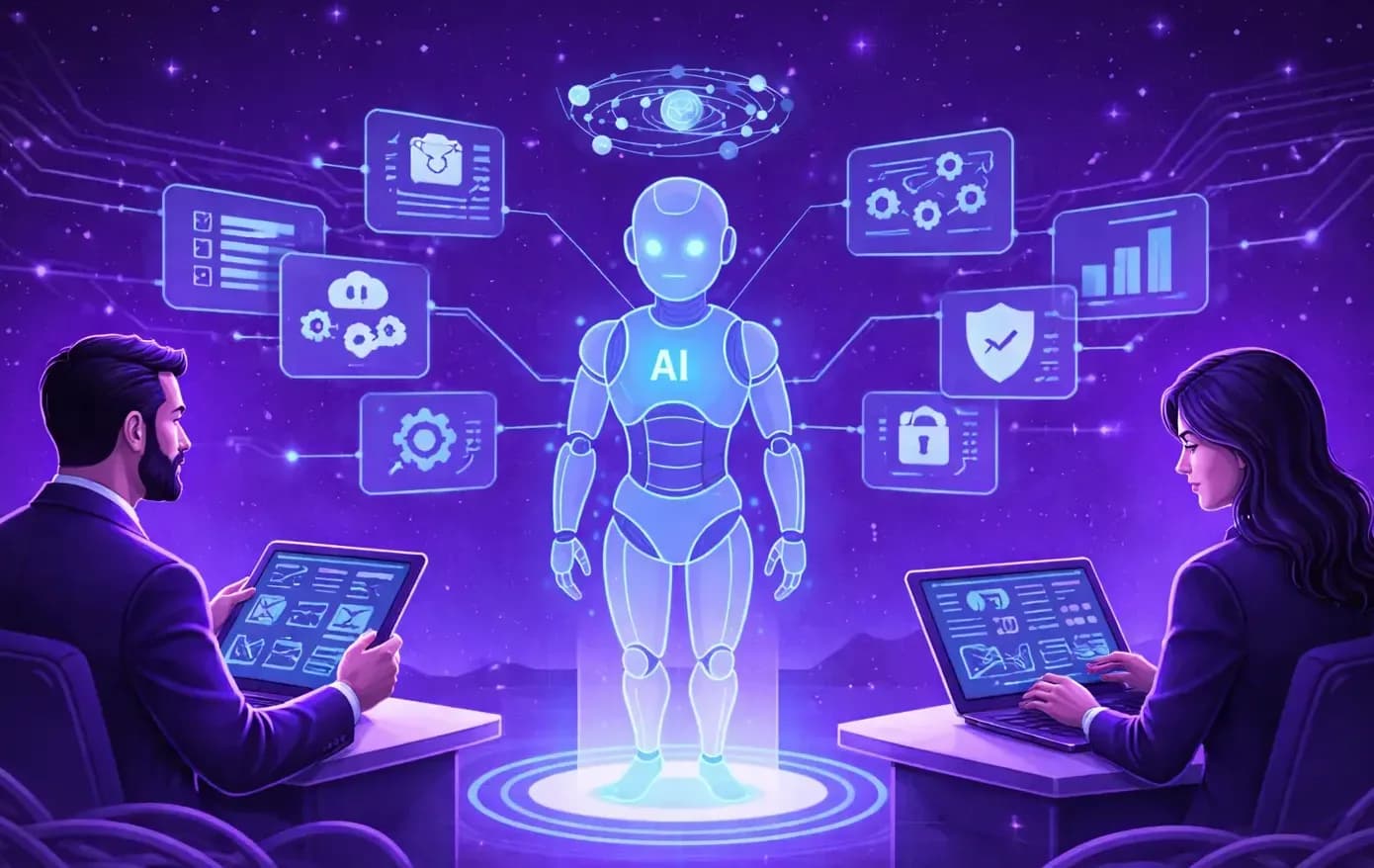
How to Implement AI Agents in Your Business: An Enterprise-Ready Guide

9-step enterprise-ready guide to implementing AI agents: define outcomes, select use cases, build data foundation, choose agent design, integrate systems, prioritize human interaction, iterate, monitor, and adapt.

AI Success Blueprint: Lessons from Satya Nadella’s Frontier Framework
AI Insights

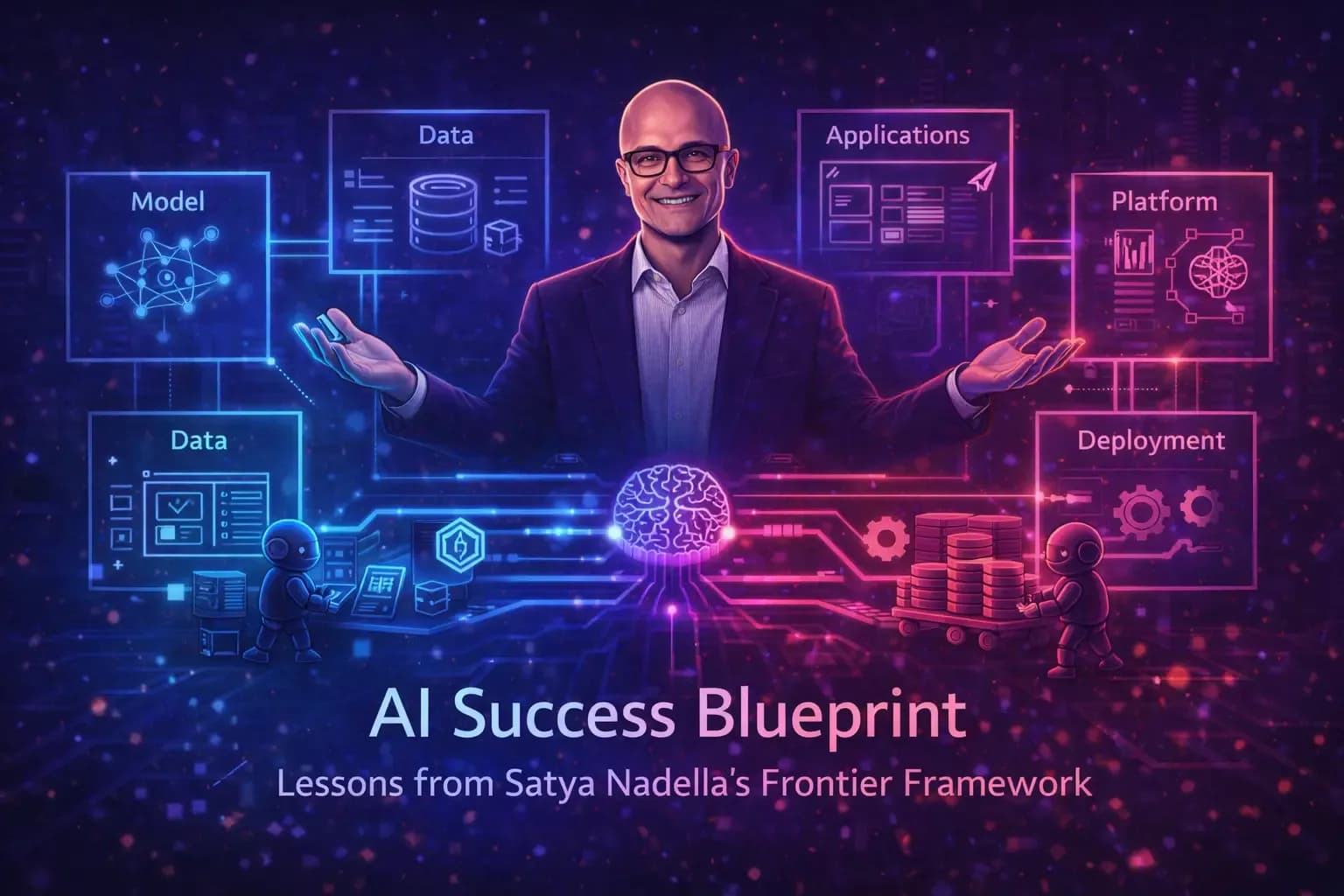
AI Success Blueprint: Lessons from Satya Nadella’s Frontier Framework

Satya Nadella's AI Success Framework transforms enterprise AI strategy: enrich employees, reinvent customer engagement, reshape processes, bend innovation curve with data and agents.

AI-Powered Self-Service Platforms: Reducing DevOps Bottlenecks
AI Insights

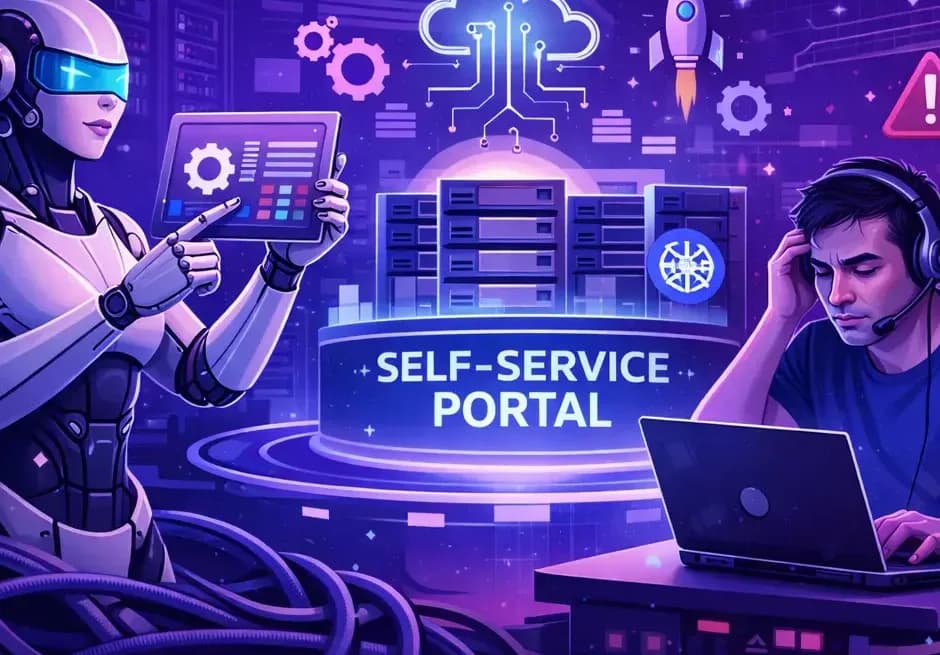
AI-Powered Self-Service Platforms: Reducing DevOps Bottlenecks

Self-service DevOps platforms cut wait times from days to minutes. AI interprets intent, enforces guardrails, executes infrastructure—33% of orgs cite skills gaps; AI-powered IDPs level the field.

The “Trust Gap” is Widening. Here’s How We Fix AI Security Before the Agentic Era Hits.
AI Insights

The “Trust Gap” is Widening. Here’s How We Fix AI Security Before the Agentic Era Hits.

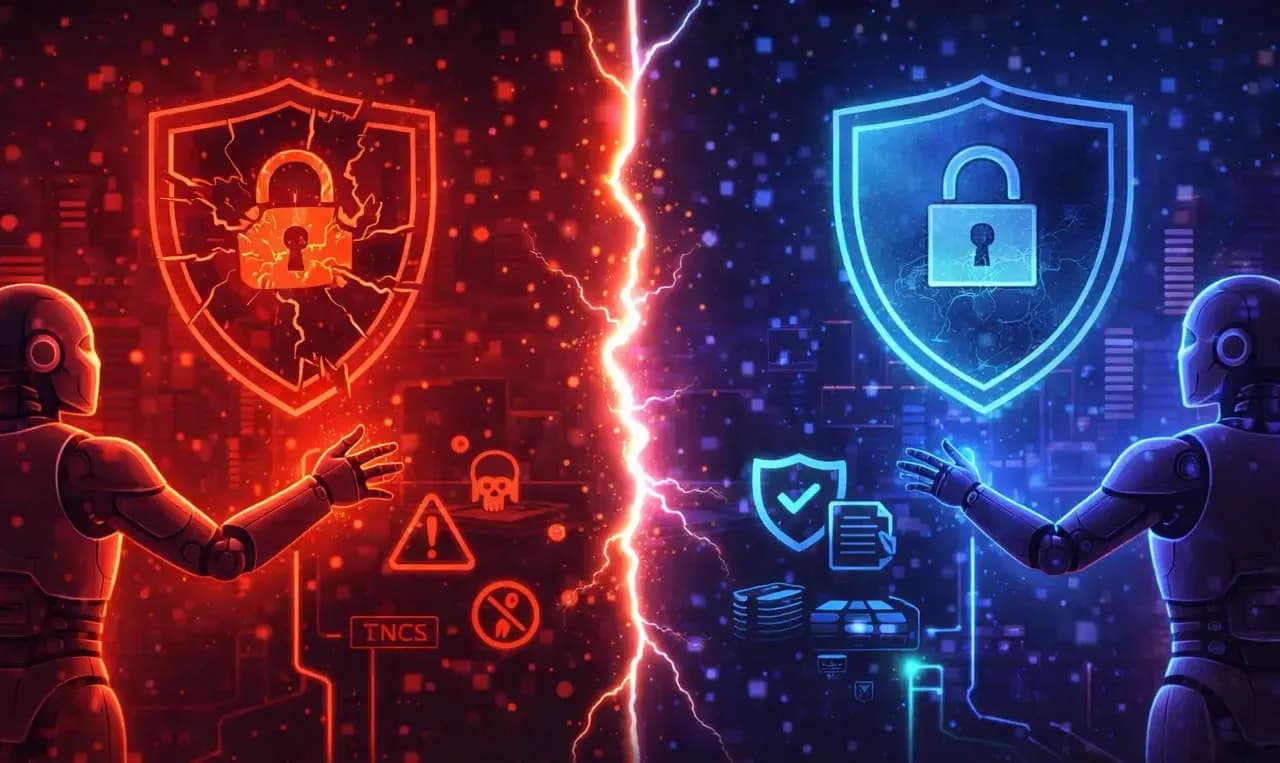
Enterprise AI adoption outpaces security. Close the trust gap with AI Bill of Materials, context-based guardrails, automated red teaming, and Zero Trust for agents—before autonomous systems go live.

The Evolution from SysAdmin to DevOps to SRE to AI Ops Engineer
AI Insights

The Evolution from SysAdmin to DevOps to SRE to AI Ops Engineer

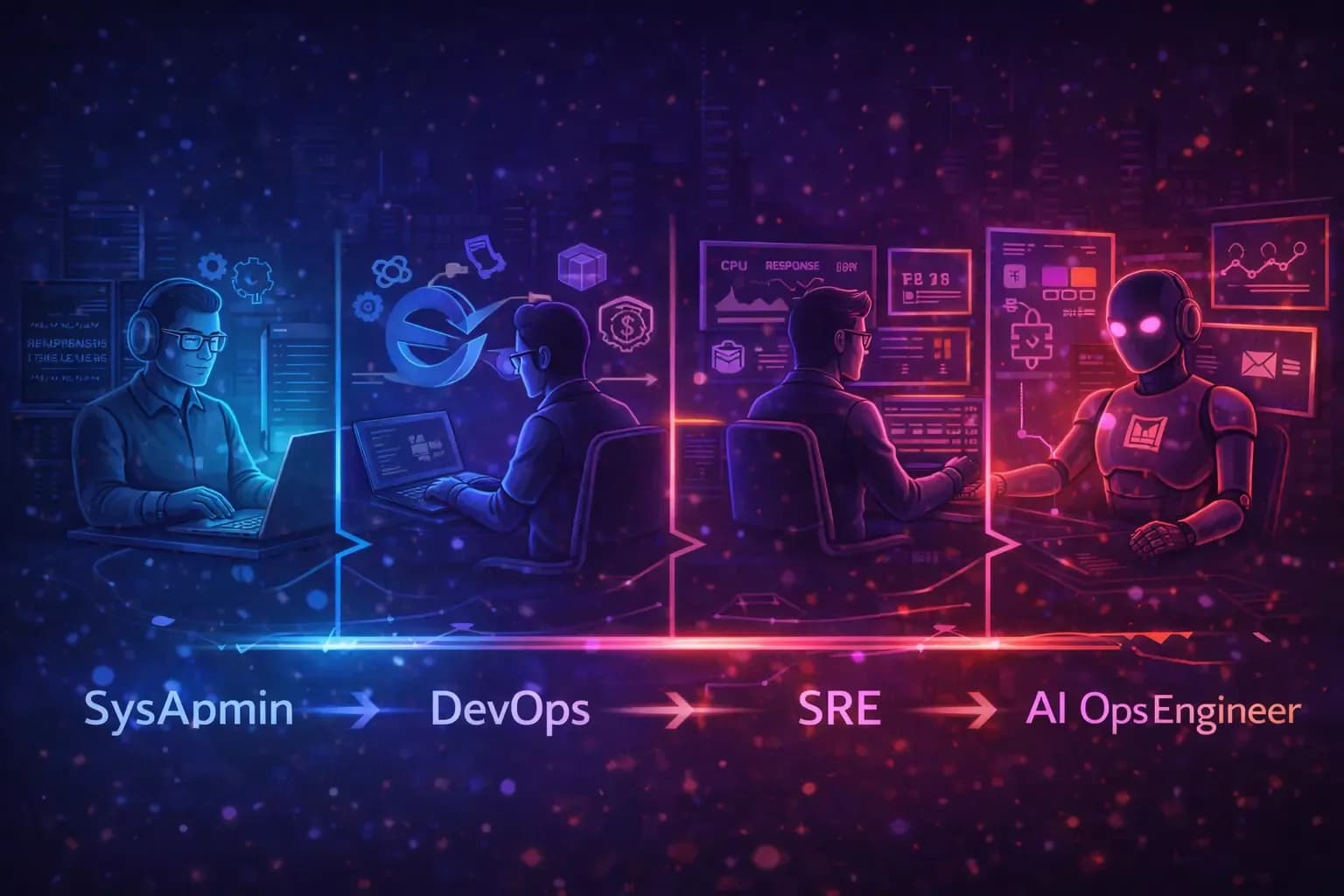
IT ops evolved: SysAdmin → DevOps → SRE → AI-Ops. Now agentic AI handles anomaly detection, root cause analysis, predictive scaling autonomously. AI-Ops engineers oversee autonomous systems as supervisors.

How Agentic AI Is Changing Vendor and Invoice Operations in Insurance
AI Insights

How Agentic AI Is Changing Vendor and Invoice Operations in Insurance

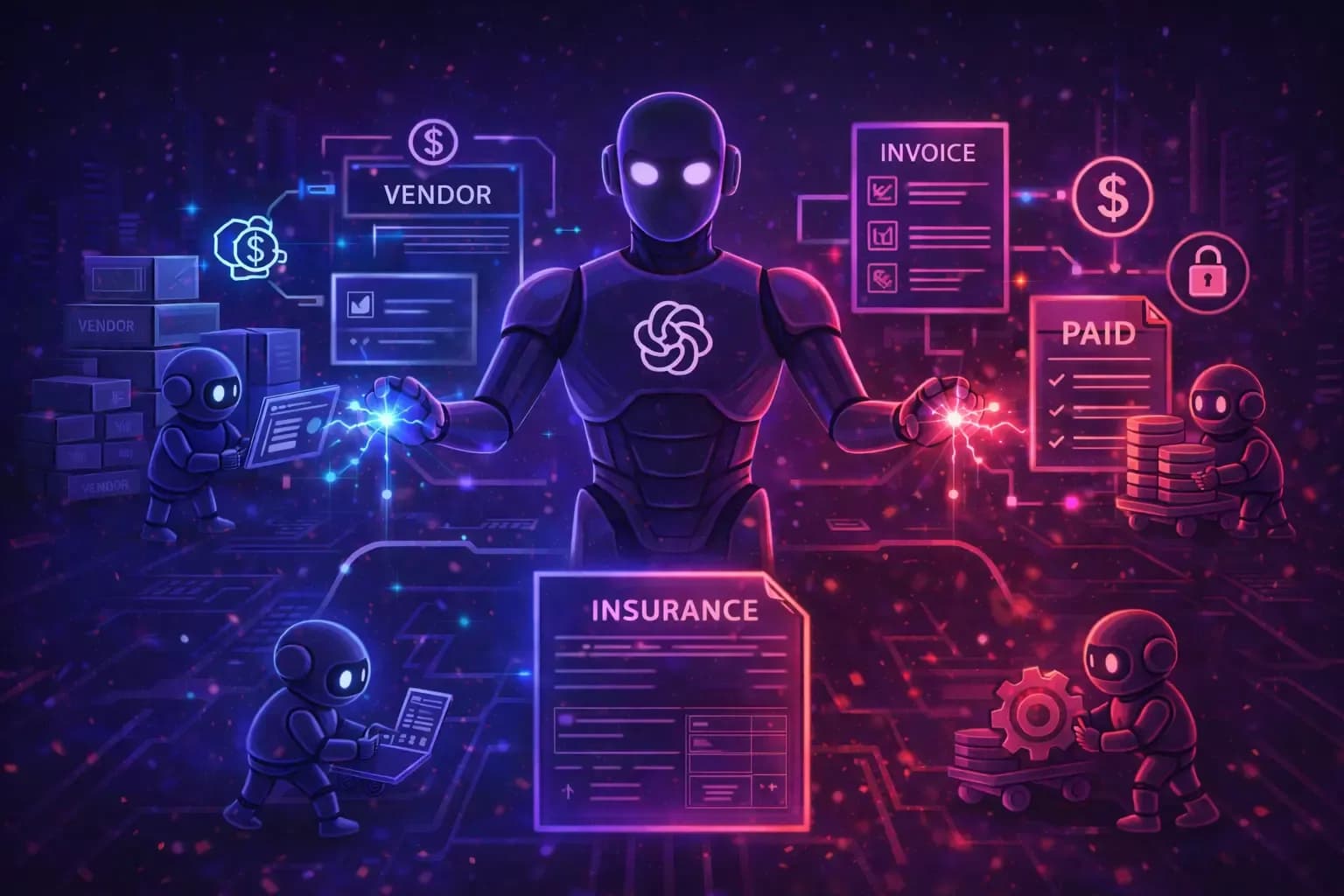
Agentic AI automates vendor risk assessment and invoice processing, transforming months of manual reviews into real-time decision-making—reducing errors, speeding payments, and strengthening vendor relationships.

Latest Articles

Agentic AI in ITSM: How Autonomous Agents Are Transforming IT Service Management
AI Insights

Agentic AI in ITSM: How Autonomous Agents Are Transforming IT Service Management

Agentic AI moves ITSM past chatbots to autonomous incident detection, ticket routing, and runbook execution. Here is the enterprise playbook for 2026.

What Is ReAct in Agentic AI? How the Reasoning + Acting Framework Powers Autonomous Agents
AI Insights

What Is ReAct in Agentic AI? How the Reasoning + Acting Framework Powers Autonomous Agents

ReAct is the Reasoning + Acting prompting framework introduced by Yao et al. in 2022, and it is the architectural backbone of nearly every production agentic AI system shipping in 2026. Here is what it actually is, why it works, and how enterprise teams should think about it.

Claude Opus 4.7: What Anthropic’s New Frontier Model Means for Enterprise AI
AI Insights

Claude Opus 4.7: What Anthropic’s New Frontier Model Means for Enterprise AI

Claude Opus 4.7 lands with a 13% lift on SWE-bench Verified, 3x more production tasks resolved on Rakuten SWE-Bench, and sharper long-horizon agent behaviour. Here is what it means for enterprise CTOs evaluating private, governed AI deployment — and what the benchmark gains do not change.

Project Glasswing: Why Anthropic’s AI Cybersecurity Initiative Changes Everything
AI Insights

Project Glasswing: Why Anthropic’s AI Cybersecurity Initiative Changes Everything

Anthropic's Project Glasswing unites AWS, Microsoft, Google, Cisco and nine other tech giants around a single mission: deploy frontier AI to find and fix critical vulnerabilities before attackers do. Here is why this initiative is the most important cybersecurity mobilization of the decade.

AI Governance Isn’t a Checkbox. It’s Your Competitive Moat.
AI Insights

AI Governance Isn’t a Checkbox. It’s Your Competitive Moat.

Most enterprises treat AI governance as a compliance hurdle. The ones winning enterprise AI deals treat it as an architectural property — embedded in every agent action, human checkpoint, and audit trail. Here is how to make that shift.

From 18 Months to 6 Weeks: How No-Code AI Is Rewriting Enterprise Deployment Timelines
AI Insights

From 18 Months to 6 Weeks: How No-Code AI Is Rewriting Enterprise Deployment Timelines

Enterprise AI projects are not failing because the technology is unready. They are failing because the delivery model is broken. No-code agentic platforms cut deployment timelines from 18-24 months to 4-6 weeks by shipping governance, compliance, and HITL controls as architecture, not afterthoughts.

Featured Article

Claude Opus 4.7: What Anthropic’s New Frontier Model Means for Enterprise AI

Claude Opus 4.7 lands with a 13% lift on SWE-bench Verified, 3x more production tasks resolved on Rakuten SWE-Bench, and sharper long-horizon agent behaviour. Here is what it means for enterprise CTOs evaluating private, governed AI deployment — and what the benchmark gains do not change.

  • Opus 4.7 delivers +13% on SWE-bench Verified, 70% on CursorBench (vs 58% for Opus 4.6), and resolves 3x more Rakuten production tasks
  • New `xhigh` reasoning effort level and Task Budgets give architects explicit knobs over cost-per-outcome on long-horizon agents
  • ️ Vision inputs jump to 2,576px on the long edge — 3x larger than Opus 4.6 — unlocking dense diagrams, schematics, and screenshots
  • Pricing unchanged at $5/M input and $25/M output — capability gains arrive without a price step-up
  • ️ Available on AWS Bedrock, Google Vertex, and Microsoft Foundry on day one — private-deployment paths stay open for regulated enterprises
Read article
Claude Opus 4.7: What Anthropic’s New Frontier Model Means for Enterprise AI

All Articles

Agentic AI in ITSM: How Autonomous Agents Are Transforming IT Service Management
AI Insights

Agentic AI in ITSM: How Autonomous Agents Are Transforming IT Service Management

Agentic AI moves ITSM past chatbots to autonomous incident detection, ticket routing, and runbook execution. Here is the enterprise playbook for 2026.

What Is ReAct in Agentic AI? How the Reasoning + Acting Framework Powers Autonomous Agents
AI Insights

What Is ReAct in Agentic AI? How the Reasoning + Acting Framework Powers Autonomous Agents

ReAct is the Reasoning + Acting prompting framework introduced by Yao et al. in 2022, and it is the architectural backbone of nearly every production agentic AI system shipping in 2026. Here is what it actually is, why it works, and how enterprise teams should think about it.

Claude Opus 4.7: What Anthropic’s New Frontier Model Means for Enterprise AI
AI Insights

Claude Opus 4.7: What Anthropic’s New Frontier Model Means for Enterprise AI

Claude Opus 4.7 lands with a 13% lift on SWE-bench Verified, 3x more production tasks resolved on Rakuten SWE-Bench, and sharper long-horizon agent behaviour. Here is what it means for enterprise CTOs evaluating private, governed AI deployment — and what the benchmark gains do not change.

Project Glasswing: Why Anthropic’s AI Cybersecurity Initiative Changes Everything
AI Insights

Project Glasswing: Why Anthropic’s AI Cybersecurity Initiative Changes Everything

Anthropic's Project Glasswing unites AWS, Microsoft, Google, Cisco and nine other tech giants around a single mission: deploy frontier AI to find and fix critical vulnerabilities before attackers do. Here is why this initiative is the most important cybersecurity mobilization of the decade.

AI Governance Isn’t a Checkbox. It’s Your Competitive Moat.
AI Insights

AI Governance Isn’t a Checkbox. It’s Your Competitive Moat.

Most enterprises treat AI governance as a compliance hurdle. The ones winning enterprise AI deals treat it as an architectural property — embedded in every agent action, human checkpoint, and audit trail. Here is how to make that shift.

From 18 Months to 6 Weeks: How No-Code AI Is Rewriting Enterprise Deployment Timelines
AI Insights

From 18 Months to 6 Weeks: How No-Code AI Is Rewriting Enterprise Deployment Timelines

Enterprise AI projects are not failing because the technology is unready. They are failing because the delivery model is broken. No-code agentic platforms cut deployment timelines from 18-24 months to 4-6 weeks by shipping governance, compliance, and HITL controls as architecture, not afterthoughts.