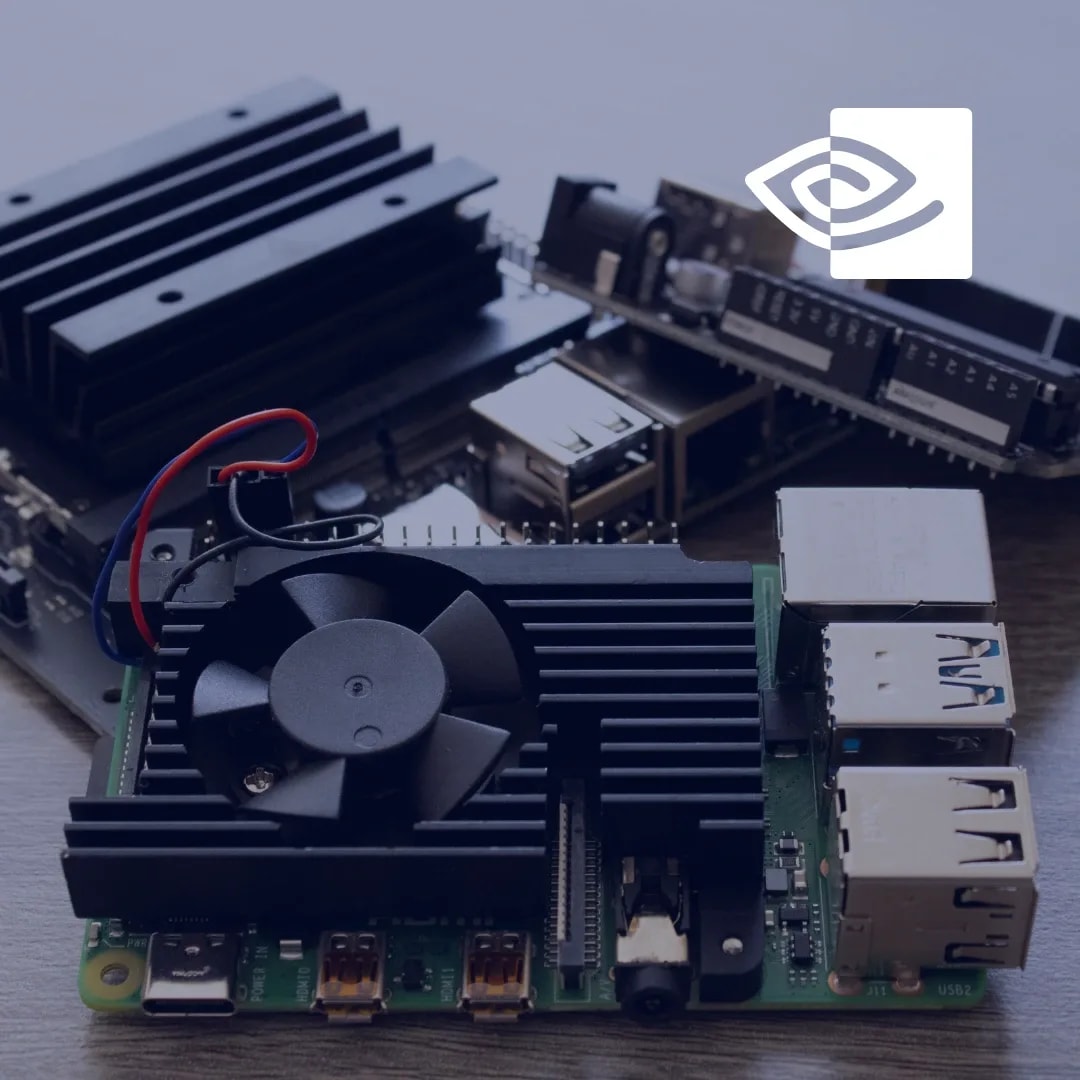
Choosing between NVIDIA V100 vs. RTX 3090 vs. Jetson AGX Orin 64GB
In the rapidly evolving landscape of artificial intelligence (AI) and high-performance computing (HPC), selecting the right GPU is akin to choosing the perfect tool for a craftsman. It can significantly impact the efficiency, speed, and success of your project. Today, we’re embarking on a comprehensive journey to compare three formidable contenders in the GPU arena: the NVIDIA V100, the RTX 3090, and the Jetson AGX Orin 64GB. By the end of this blog post, crafted for lowtouch.ai with an SEO focus, you’ll have a clear understanding of their strengths, weaknesses, and ideal use cases.
Overview of Each GPU
Before diving into the nitty-gritty, let’s get acquainted with these three GPUs:
NVIDIA V100
Built on NVIDIA’s Volta architecture, the V100 is engineered for data center workloads. Designed to tackle the most demanding tasks in AI training and HPC, it offers robust double-precision (FP64) performance and memory options of 16GB or 32GB HBM2. It’s a top choice for researchers and enterprises working on complex simulations or large-scale AI models like GPT-3.
RTX 3090
A flagship of the Ampere architecture, the RTX 3090 is a consumer-grade GPU that punches above its weight. With 10,496 CUDA cores and 24GB of GDDR6X memory, it excels in gaming and content creation while offering solid performance for AI inference and lighter training tasks. However, its FP64 capabilities are limited, making it less ideal for precision-heavy scientific work.
Jetson AGX Orin 64GB
Representing the pinnacle of edge AI innovation, the Jetson AGX Orin 64GB is a compact system-on-module (SOM) built for robotics, autonomous systems, and real-time inference. Featuring 2,048 CUDA cores, 64 Tensor Cores, and 64GB of LPDDR5 memory, it delivers up to 275 TOPS (INT8) of AI performance at only 60W power draw, making it ideal for power-constrained environments.
Specifications Comparison
Below is a detailed comparison table outlining the key specifications of each GPU, followed by explanations of what these numbers mean for your applications.
| Specification |
NVIDIA V100 |
RTX 3090 |
Jetson AGX Orin 64GB |
| Architecture |
Volta |
Ampere |
Ampere (with Arm CPU) |
| CUDA Cores |
5,120 |
10,496 |
2,048 |
| Tensor Cores |
640 |
328 |
64 |
| Memory |
16GB or 32GB HBM2 |
24GB GDDR6X |
64GB LPDDR5 |
| Memory Bandwidth |
900-1,134 GB/s |
936 GB/s |
~200 GB/s |
| FP32 Performance |
15.7 TFLOPS |
35.6 TFLOPS |
~6 TFLOPS (estimated) |
| FP64 Performance |
7.8 TFLOPS |
0.55 TFLOPS |
Limited |
| AI Performance |
Up to 125 TFLOPS (mixed precision) |
~142 TFLOPS (mixed precision) |
Up to 275 TOPS (INT8) |
| Power Consumption (TDP) |
250W–300W |
350W |
Up to 60W |
| Form Factor |
Discrete (PCIe/SXM2) |
Discrete (PCIe) |
System-on-Module (SOM) |
Breaking Down the Specs: More CUDA cores mean higher parallel processing ability; Tensor Cores accelerate deep learning tasks; memory and bandwidth determine how large and fast data can be processed; and power and form factor dictate deployment environments.
Performance in Real-World Scenarios
Numbers are important, but real-world performance defines value. The V100 excels in data center AI training and HPC, the RTX 3090 is a powerhouse for gaming and content creation, and the Jetson AGX Orin 64GB is designed for edge AI and robotics with low power consumption.
Use Cases: Who Should Choose Which GPU?
- NVIDIA V100: Ideal for researchers, enterprises, and data scientists needing top-tier FP64 performance and high memory capacity for AI training and HPC tasks.
- RTX 3090: Best suited for gamers, content creators, and enthusiasts requiring powerful FP32 performance for rendering and moderate AI projects.
- Jetson AGX Orin 64GB: Perfect for edge AI, robotics, and real-time inference in power-constrained environments.
Pricing and Availability
Pricing snapshots:
- NVIDIA V100: $3,000–$10,000 (depending on memory and form factor)
- RTX 3090: Approximately $1,500–$2,000
- Jetson AGX Orin 64GB: Around $1,999 for the developer kit
Consider total ownership costs including power, cooling, and infrastructure when making your decision.
Looking Ahead: The Future of GPUs
GPU technology is advancing rapidly. NVIDIA’s upcoming Hopper architecture and enhanced edge SOMs promise breakthroughs in performance and efficiency. Staying informed on these trends is essential for a lasting hardware investment.
Conclusion
Choosing between the NVIDIA V100, RTX 3090, and Jetson AGX Orin 64GB depends on your specific needs. The V100 is ideal for data centers and HPC, the RTX 3090 shines in gaming and content creation, and the Jetson AGX Orin is the go-to for edge AI. Make an informed decision by matching the GPU’s strengths to your project’s goals.
Explore more insights and in-depth reviews on lowtouch.ai.