Practical guides, research, and case studies on deploying AI automation in enterprise environments.
We ran our company website on WordPress for years. Plugin conflicts, upgrade failures, and maintenance overhead were killing engineering time. We replaced it with Next.js, and Claude Code was the agentic tool that made it feasible in weeks.


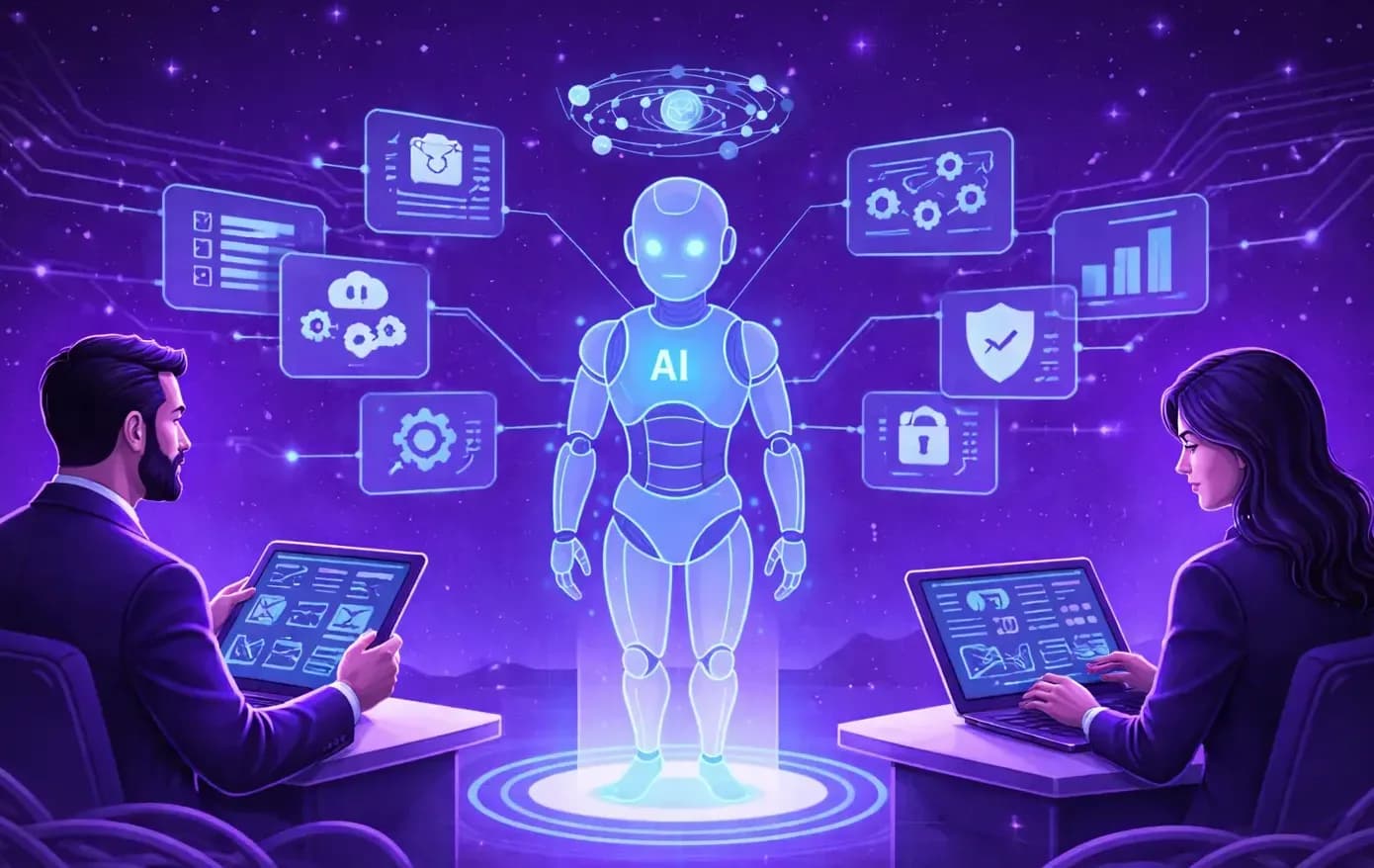
9-step enterprise-ready guide to implementing AI agents: define outcomes, select use cases, build data foundation, choose agent design, integrate systems, prioritize human interaction, iterate, monitor, and adapt.

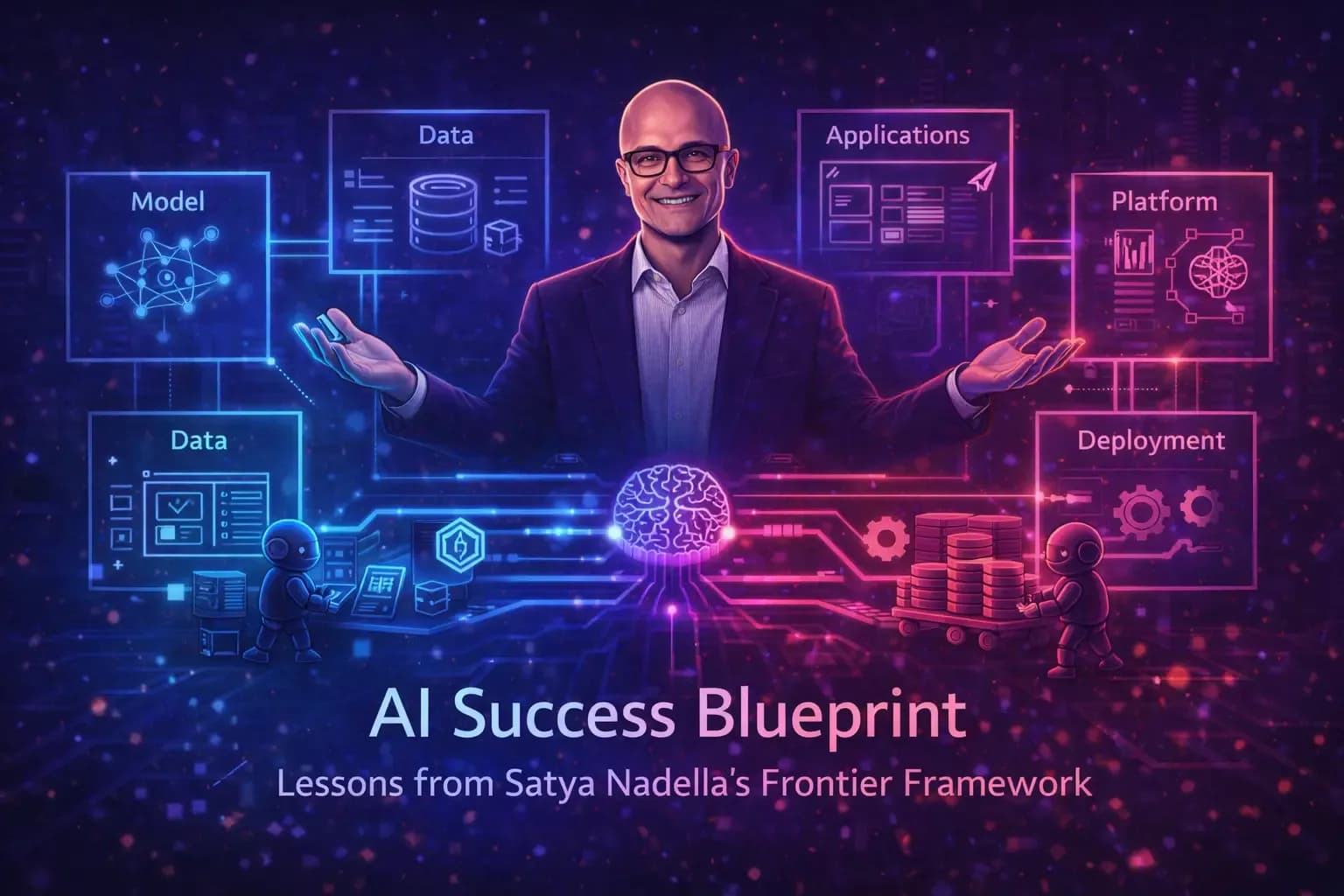
Satya Nadella's AI Success Framework transforms enterprise AI strategy: enrich employees, reinvent customer engagement, reshape processes, bend innovation curve with data and agents.

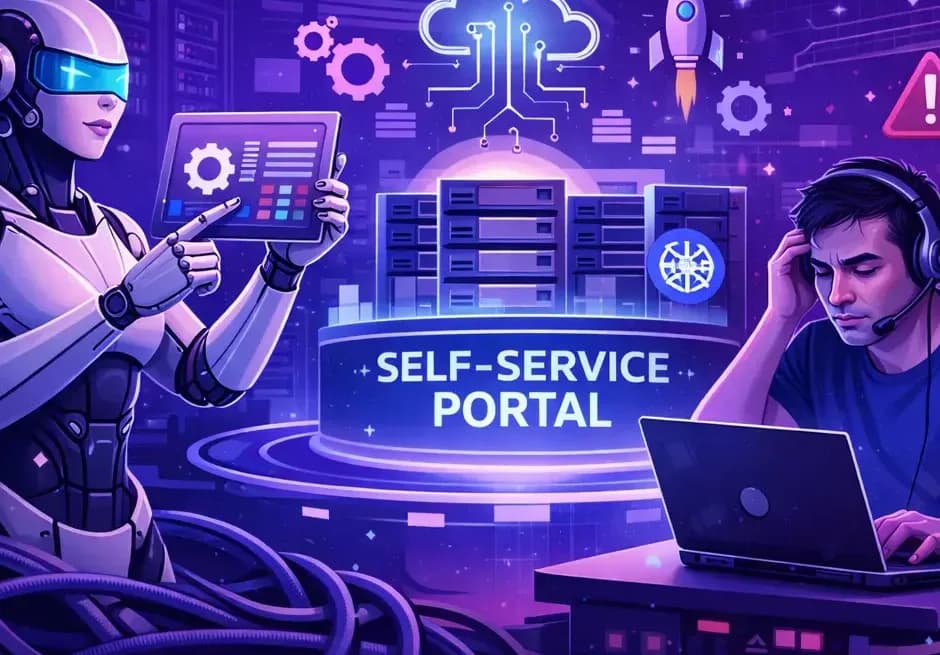
Self-service DevOps platforms cut wait times from days to minutes. AI interprets intent, enforces guardrails, executes infrastructure—33% of orgs cite skills gaps; AI-powered IDPs level the field.

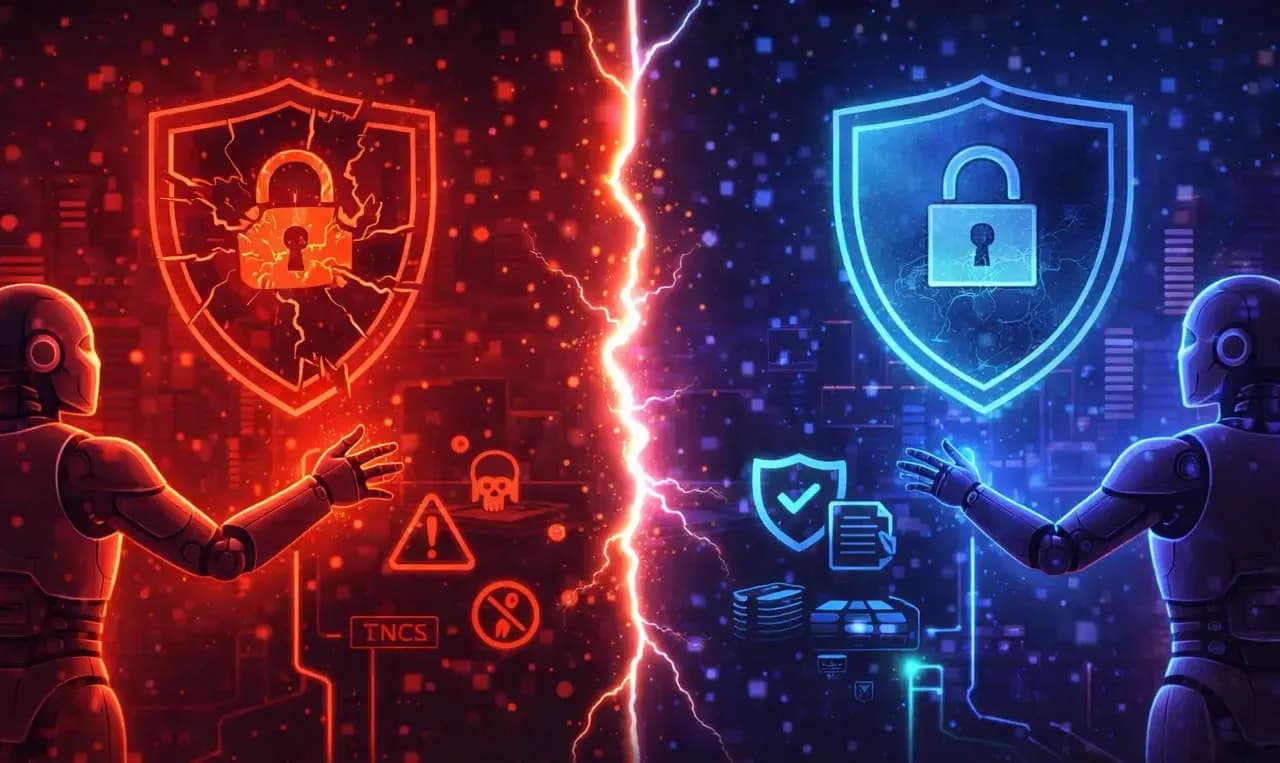
Enterprise AI adoption outpaces security. Close the trust gap with AI Bill of Materials, context-based guardrails, automated red teaming, and Zero Trust for agents—before autonomous systems go live.

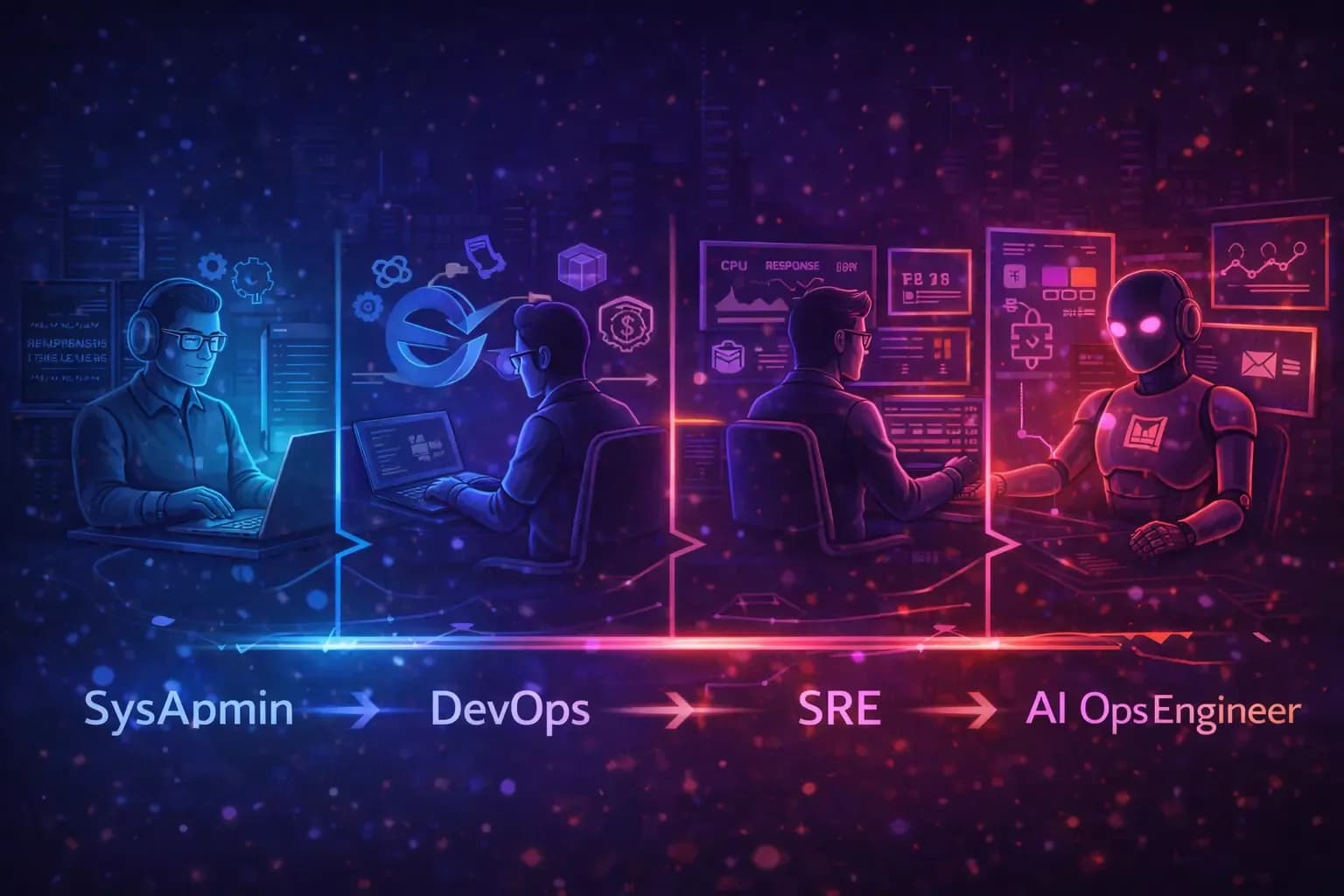
IT ops evolved: SysAdmin → DevOps → SRE → AI-Ops. Now agentic AI handles anomaly detection, root cause analysis, predictive scaling autonomously. AI-Ops engineers oversee autonomous systems as supervisors.

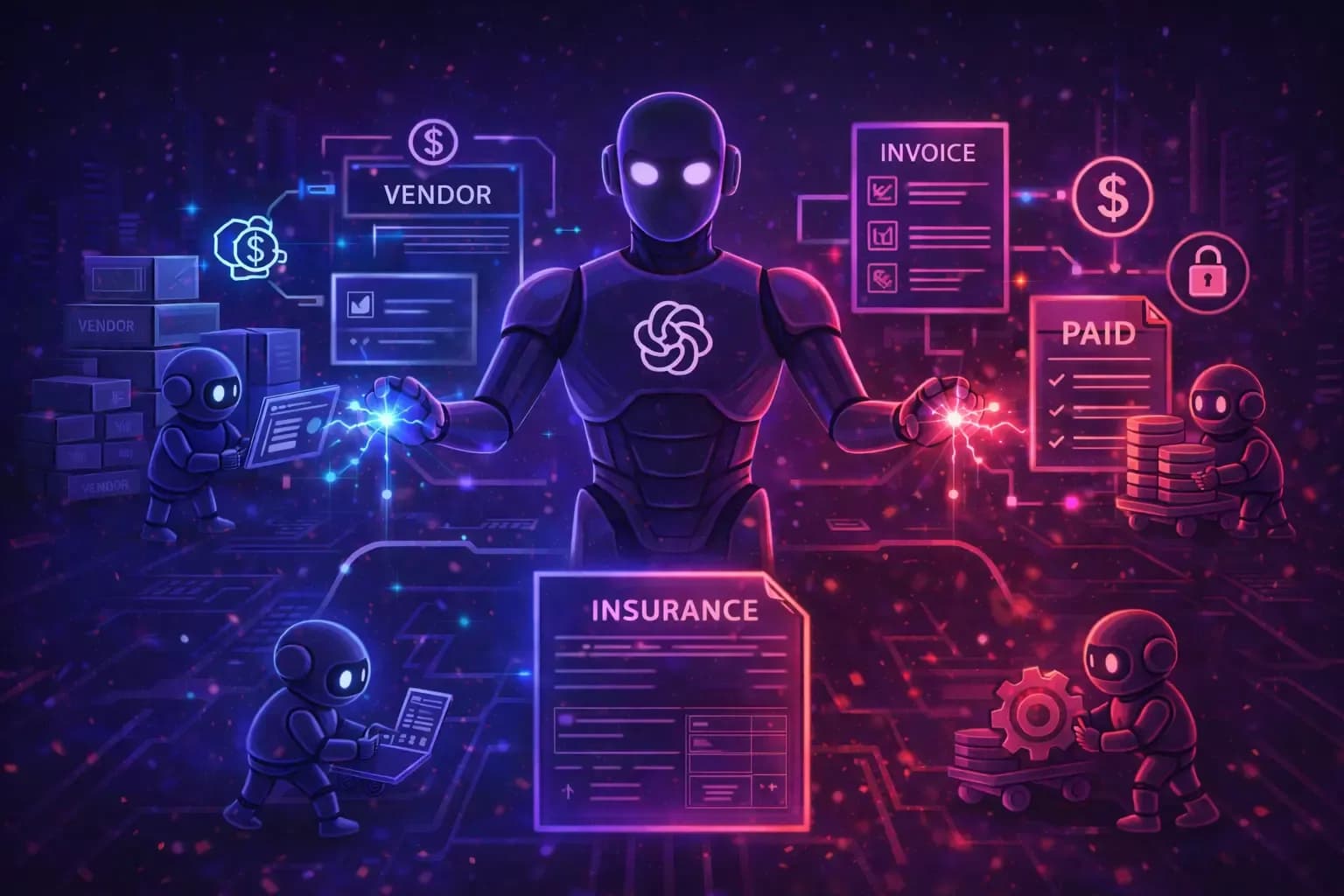
Agentic AI automates vendor risk assessment and invoice processing, transforming months of manual reviews into real-time decision-making—reducing errors, speeding payments, and strengthening vendor relationships.

UiPath posts record revenue. Automation Anywhere has its biggest quarter ever. So why is every RPA giant racing toward agentic AI?

OpenClaw became the fastest-adopted open-source project in history. Nvidia’s Nemoclaw is now the enterprise answer. Here is what the Organizational Singularity means for your workforce and workflows.

The average enterprise team spends 23 working days on a single RFP response. AI-native automation cuts that to under 6 hours with full auditability.

Loopio automates content retrieval, not response generation. Enterprises needing HITL gates and air-gapped deployment need a different platform.

GCCs respond to more RFPs per year than almost any enterprise segment. Manual processes break under that volume. Here is what AI-native automation looks like.

30-50% of enterprise RPA projects are abandoned within 2 years, not because of poor implementation, but because RPA is architecturally broken. This post breaks down the three structural failure points of RPA, contrasts them with how AI agents reason and adapt, and walks through a real invoice processing migration with a side-by-side comparison.

UiPath posts record revenue. Automation Anywhere has its biggest quarter ever. So why is every RPA giant racing toward agentic AI?

OpenClaw became the fastest-adopted open-source project in history. Nvidia’s Nemoclaw is now the enterprise answer. Here is what the Organizational Singularity means for your workforce and workflows.

The average enterprise team spends 23 working days on a single RFP response. AI-native automation cuts that to under 6 hours with full auditability.

Loopio automates content retrieval, not response generation. Enterprises needing HITL gates and air-gapped deployment need a different platform.

GCCs respond to more RFPs per year than almost any enterprise segment. Manual processes break under that volume. Here is what AI-native automation looks like.

30-50% of enterprise RPA projects are abandoned within 2 years, not because of poor implementation, but because RPA is architecturally broken. This post breaks down the three structural failure points of RPA, contrasts them with how AI agents reason and adapt, and walks through a real invoice processing migration with a side-by-side comparison.